






"I Was Not Appointed to Drink Tea"
While ASSHU President Hajjat Nabukeera condemns Minister Balaam Barugahara's inspections as public humiliation, the minister's hardline approach has uncovered shocking corruption—including ghost students, illegal fees, and schools without toilets. Balaam argues that accountability and protecting learners must take precedence over protecting corrupt officials' feelings.


LCC TV NEWS
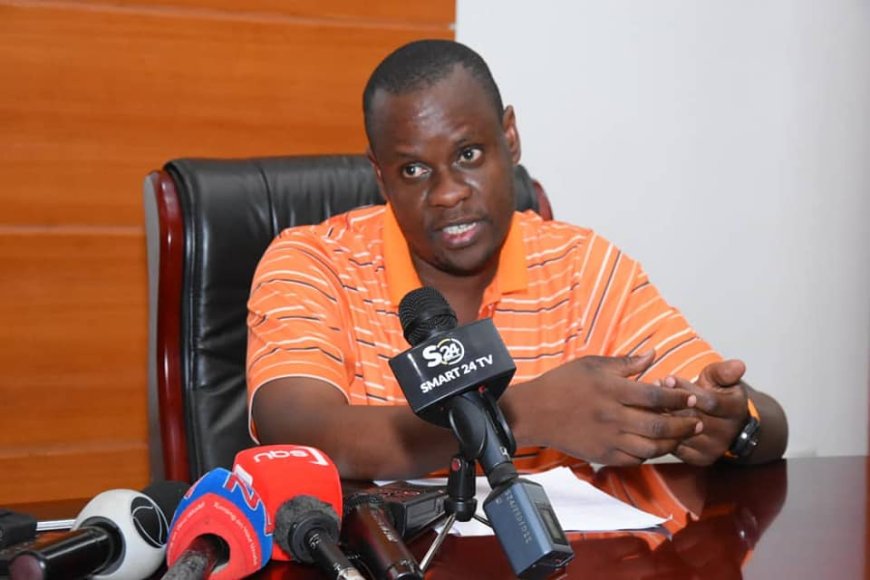
LIRA, Uganda – July 17, 2026 – The Association of Secondary School Headteachers of Uganda (ASSHU) has issued a strong condemnation of the manner in which government ministers are conducting school inspections, accusing them of public intimidation and humiliation of headteachers across the country.
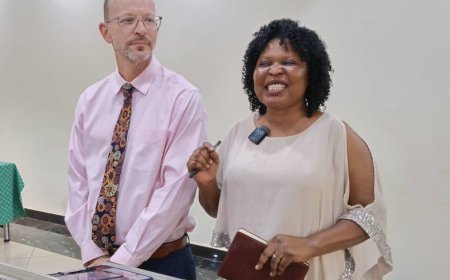
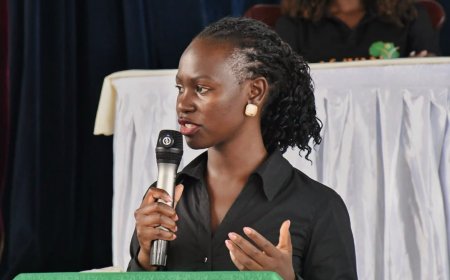
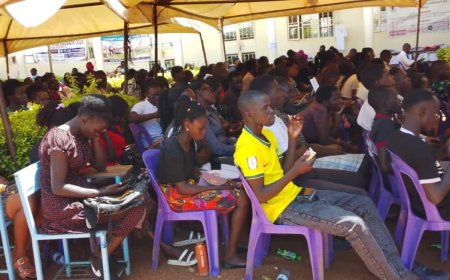
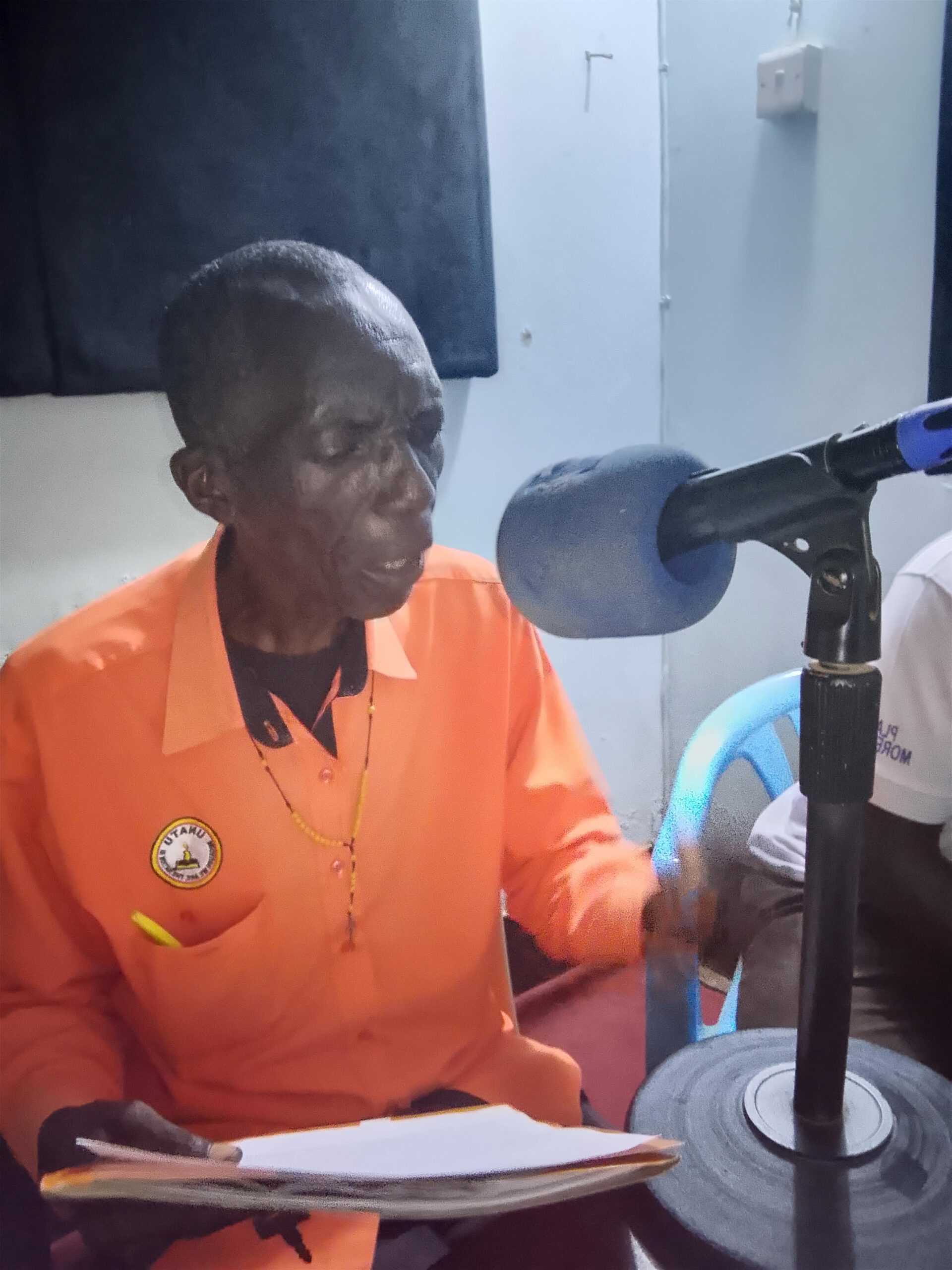
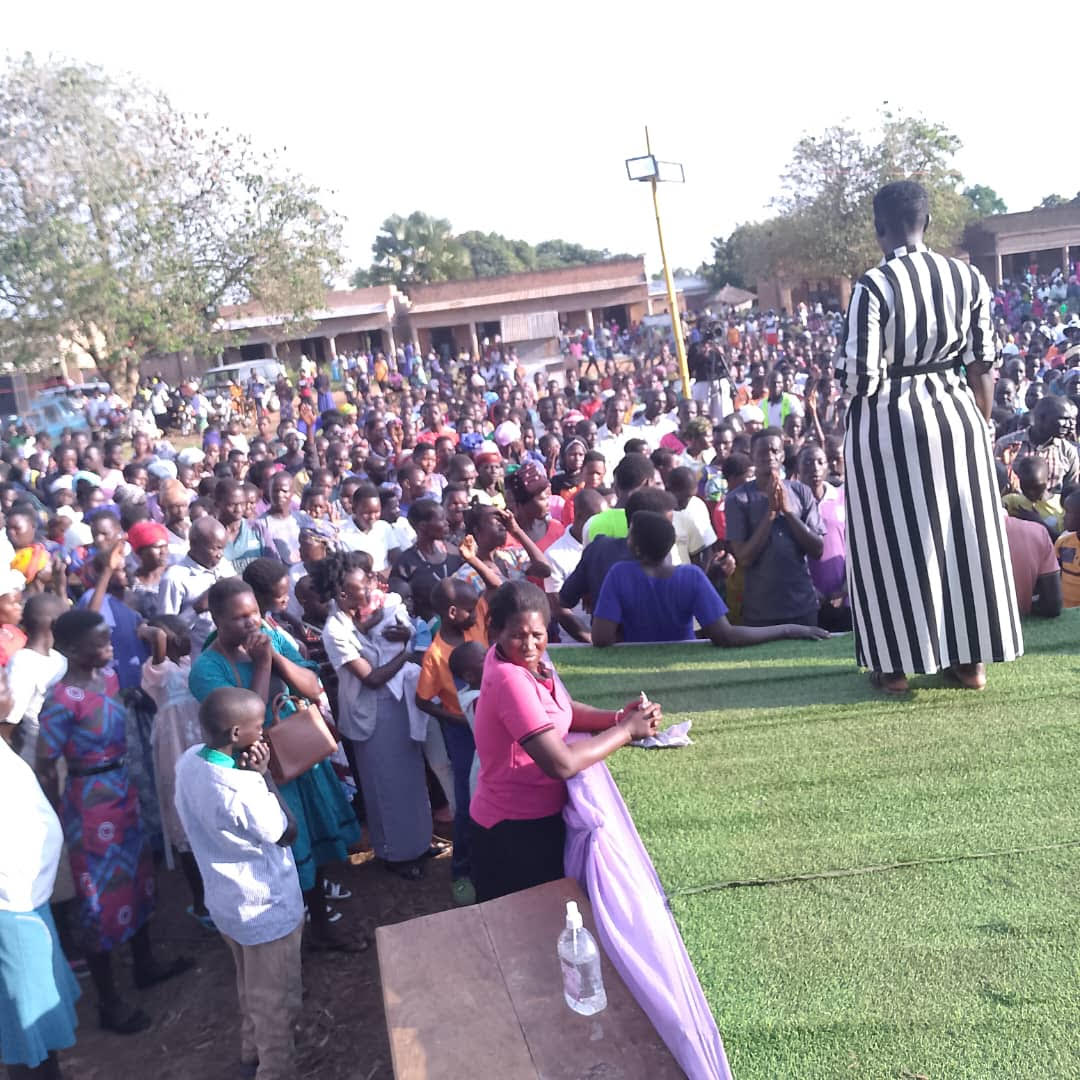
Speaking during a preparatory meeting at St. Katherine Secondary School in Lira City on Friday, ASSHU National President Hajjat Nabukeera Zulaika expressed grave concern over what she described as a demoralizing approach by some ministers appointed by President Yoweri Museveni, warning that such conduct is undermining the education sector.
The meeting was convened ahead of the national ASSHU conference scheduled for September 3rd to 4th, 2026, which is expected to draw secondary school headteachers from all regions of Uganda.
"Teachers' Work Is Not Easy"
Hajjat Nabukeera specifically criticized ministers who have been publicly faulting headteachers during inspections over issues of school fees and student enrollment, arguing that such actions are counterproductive and disrespectful to the teaching profession.
"The work of teachers is not easy. Government officials should appreciate the challenges teachers face instead of publicly humiliating them," she said.
While acknowledging that government has a legitimate duty to monitor schools, the ASSHU President emphasized that inspections must be conducted professionally and respectfully to maintain the dignity of educators and the integrity of the education system.
Warning on Erosion of Professional Respect
The ASSHU President warned that continued public criticism of teachers by senior government officials risks eroding respect for the teaching profession and could discourage educators from performing their duties effectively.
"Public humiliation creates fear and diminishes the morale of headteachers who are already working under challenging circumstances," Hajjat Nabukeera stated.
She further called on government to improve the welfare of headteachers and their deputies, particularly those teaching Arts subjects, noting that many still receive lower pay despite their significant contribution to education.
Petition Threat Looms
Hajjat Nabukeera issued a firm warning that if government fails to address the concerns raised by the association, ASSHU will formally petition President Museveni for intervention, signaling a potential escalation in the standoff between education sector leaders and government officials.
Regional Headteachers Echo Concerns
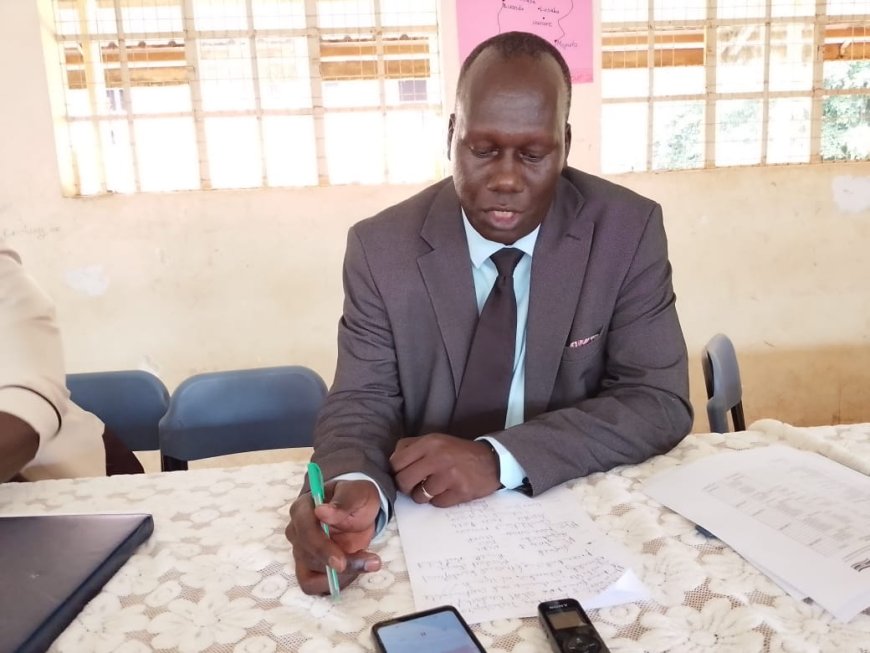
Isaac Ocoo, Headteacher of Lira Secondary School and ASSHU Chairperson for Lango Sub-region, corroborated the national president's concerns, stating that the conduct of some ministers has created an atmosphere of fear among headteachers.
"We appeal to government to prioritize teachers' welfare. Motivated teachers are essential for improving education standards," Ocoo said.
Morish Okunu, Headteacher of Father Aloysius Secondary School in Bala, emphasized that the upcoming national conference will provide a vital platform to discuss key issues affecting secondary education and find practical solutions to challenges facing the sector.
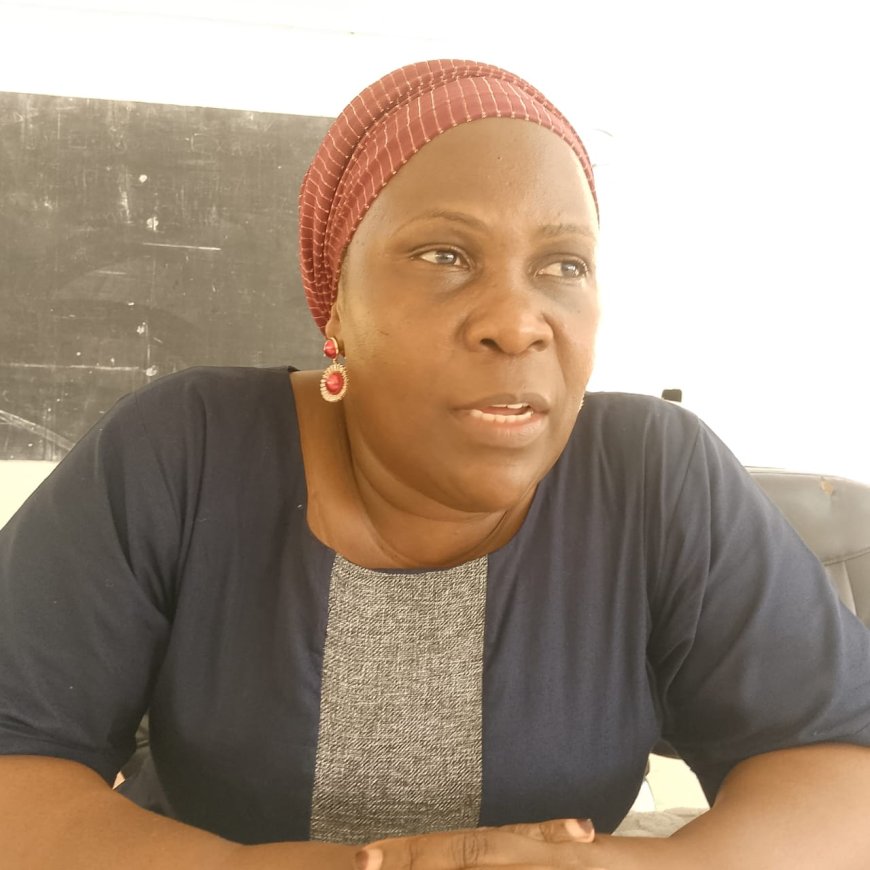
Margarita Akello, Headteacher of St. Katherine Secondary School, confirmed that the school is fully prepared to host delegates from across Uganda for the September conference.
Recent Inspection Visits Spark Controversy
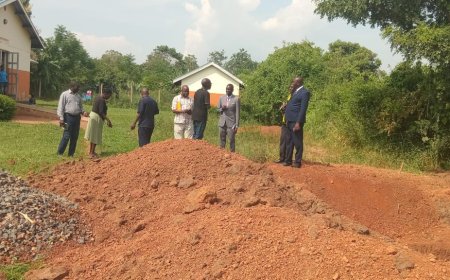
The concerns raised by ASSHU follow recent inspection visits by Minister of Local Government Balam Byeruhunga and State Minister for Local Government Justin Nameere, who reportedly conducted inspections in Namisindwa and Jinja districts to verify school fees and enrollment figures.
Education stakeholders are now calling for a more collaborative approach to school oversight that respects the professionalism of teachers while ensuring accountability in the education sector.
The Uncomfortable Truth
Minister Balaam has been unapologetic about his aggressive inspection tours, and the evidence he has gathered speaks for itself. At Bupoto Primary School in Namisindwa District, the headteacher publicly confessed to inflating enrollment by 346 learners—a fraud costing taxpayers approximately UGX 20 million annually. The headteacher admitted personally benefiting from the scheme, begging for forgiveness only after being caught.
At Naiku Primary School in Mbale, government records showed 1,352 pupils, but a physical headcount revealed only 705 learners actually in classrooms. This discrepancy alone costs Ugandan taxpayers roughly UGX 14 million per term. At Nabumali Senior Secondary School, records showed nearly 1,000 USE students, but only 240 were present.
Protecting Students, Not Officials
The minister's defenders argue that ASSHU's complaints about "humiliation" miss the point entirely. When a headteacher inflates enrollment figures, it is not a victimless crime—it is theft from the public purse, money that could have gone toward textbooks, laboratory equipment, and teacher salaries for those who actually show up to work.
Even more damning, at Namisindwa Senior Secondary School, Balaam discovered no functional toilets and students being illegally charged Shs 65,000 in fees despite the school receiving government funding. Should the minister have politely ignored these conditions to avoid hurting the headteacher's feelings?
"I Was Not Appointed to Drink Tea"
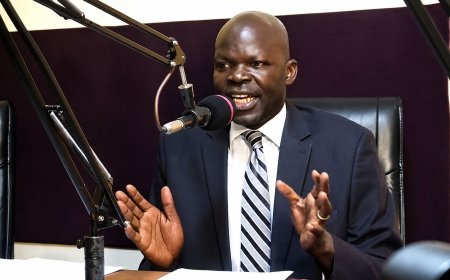
Defending his approach on NBS Morning Breeze, Minister Balaam stated: "I was not appointed to sit at Workers' House and take tea." His argument is straightforward: corruption is not limited to stolen money—it includes absenteeism, negligence, false reporting, and failure by public officials to deliver services.
He has compared his process to treating a wound: "If you have a wound, you don't start by injecting directly into the wound. You first kill the pain, wash the wound and dress it." In his view, public exposure is the necessary first step toward accountability.
A Necessary Wake-Up Call
While ASSHU argues that public scrutiny demoralizes educators, the minister's findings suggest that some headteachers are not educators at all—they are fraudsters hiding behind the respectability of their titles. The headteacher who inflates enrollment, the administrator who charges illegal fees, and the official who allows students to study without toilets are not victims of humiliation. They are perpetrators of crimes against Ugandan children.
The minister has clarified that he is not a judge or prosecutor—he identifies failures and refers suspected wrongdoing to institutions with investigative mandates. His job is to expose the rot so that others can take legal action.
The Real Victims
Critics of the minister's approach often overlook the true victims: the students whose education is compromised and the taxpayers whose money is stolen. The children in Namisindwa who were studying without proper sanitation, the parents paying illegal fees at government-aided schools, and the students missing out on resources because funds are diverted to ghost learners—these are the people Minister Balaam is fighting for.
As one social media commentator noted: "Not every engineer is under fire—only the corrupt ones."
The Verdict
The question is not whether corruption exists—it clearly does. The question is whether Uganda can afford to be polite about it. While ASSHU may prefer behind-closed-doors accountability, Minister Balaam's approach has already produced confessions and uncovered systemic fraud that might otherwise have remained hidden.
Sometimes, protecting the dignity of a few corrupt officials must take a backseat to protecting the future of millions of Ugandan children. In that equation, Minister Balaam appears to be on the right side.
What's Your Reaction?