



Opposition Leader Ssenyonyi Demands Emergency Parliament Sitting Over Escalating Human Rights Crisis
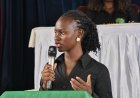
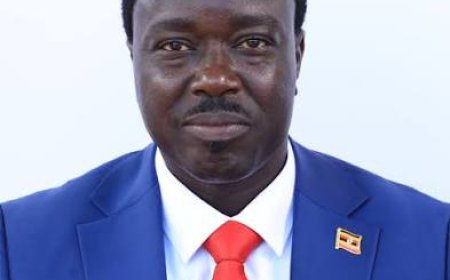
Leader of Opposition Joel Ssenyonyi has formally petitioned Speaker Jacob Oboth-Oboth to recall Parliament from recess to address a surge in arrests, abductions, and alleged abuses by security agencies. Citing detained politicians, religious leaders, and journalists, Ssenyonyi warns that parliamentary silence threatens constitutional governance and public confidence in the rule of law.


LCC TV NEWS
KAMPALA, Uganda – The Leader of the Opposition in Parliament (LoP), Joel Ssenyonyi, has formally petitioned Speaker Jacob Oboth-Oboth to recall Parliament from its current recess to address what he characterizes as an escalating crisis of human rights abuses and a systemic disregard for the rule of law . The move comes amid a series of high-profile arrests and detentions that have intensified a national debate on constitutional freedoms and executive accountability.
In a letter dated June 17, 2026, Ssenyonyi invoked Parliament’s powers under its Rules of Procedure, arguing that the gravity of recent incidents—including the detention of political figures, religious leaders, and journalists—warrants immediate legislative intervention rather than waiting for the scheduled resumption of business on July 7 .
“The continued absence of parliamentary intervention and oversight could create an environment in which further violations occur unchecked, thereby exposing more Ugandans to potential abuses and undermining public confidence in the rule of law and constitutional governance,” Ssenyonyi wrote in his petition to the Speaker .
A Catalog of Alleged Abuses
Ssenyonyi’s request builds on concerns he initially raised during the Fourth Sitting of the First Meeting of the First Session of the 12th Parliament, where he presented allegations of abductions, arbitrary arrests, unlawful detention, and excessive use of force by security agencies . At that time, the Vice President reportedly directed the Minister for Security to return with a comprehensive statement on the matter—a commitment that Ssenyonyi claims remains outstanding .
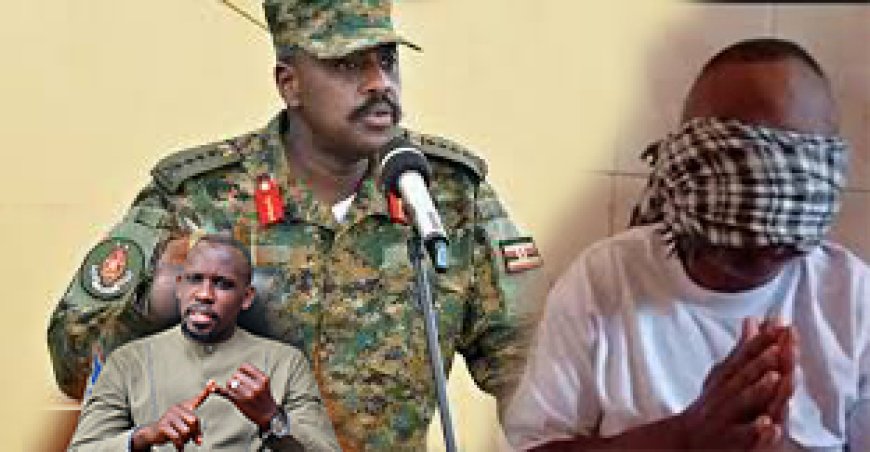
In detailing his case for an urgent sitting, Ssenyonyi pointed to a series of specific incidents that he argues demonstrate a troubling pattern extending far beyond opposition politics. He cited the continued detention of opposition figure Dr. Kizza Besigye, the disappearance of Christopher Godi (also known as King Zara), and the reported military raid on the home of Kawempe North MP Elias Luyimbazi Nalukoola following court proceedings involving Chief of Defence Forces (CDF) Gen. Muhoozi Kainerugaba .
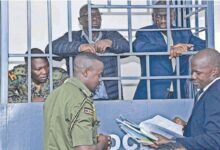
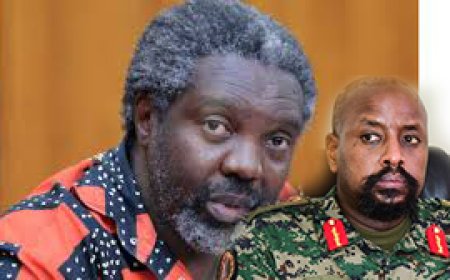
The LoP also referenced the recent arrest of former Kampala Lord Mayor Erias Lukwago, who was taken from his home on Monday by security operatives and later arraigned on charges of misprision of a felony . Gen. Muhoozi commented on the arrest on social media, a practice Ssenyonyi condemned as unbecoming of a senior military officer.
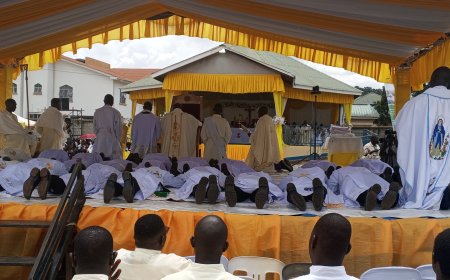
Other cases highlighted include the reported abduction of Rev. Fr. Deusdedit Ssekabira of Masaka Diocese, attacks on journalists, and the intimidation of civil society actors . Ssenyonyi warned that the alleged violations have increasingly affected a wider cross-section of society, eroding the previous assumption that such abuses were confined to opposition supporters. “The reality is that no one appears to be safe anymore,” he told journalists .
Constitutional and Oversight Implications
The petition underscores a critical test for Uganda’s constitutional framework, specifically regarding the balance of power between the Executive and the Legislature. Article 79 of the Constitution vests legislative authority in Parliament, while Articles 90 and 94 empower parliamentary committees to investigate government agencies and require ministers to account for matters under their dockets .
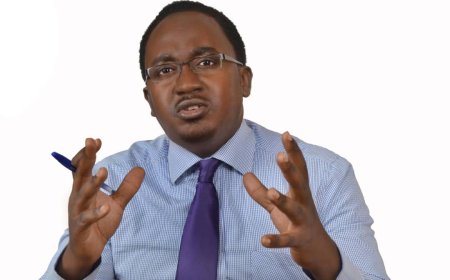
Constitutional experts argue that active parliamentary scrutiny is one of the principal safeguards against the abuse of executive authority. Lawyer Nicholas Opiyo has previously noted that “active legislative scrutiny strengthens democratic accountability and public confidence in state institutions” . Similarly, human rights lawyer George Musisi observed that “Parliament has both the authority and responsibility to demand explanations from the Executive where constitutional questions arise” .
Ssenyonyi is specifically demanding that responsible ministers appear before the House to provide statements and that Parliament interrogate the actions of security agencies. “As the institution entrusted with oversight of the Executive and the protection of constitutionalism, Parliament cannot afford to remain silent in the face of grave human rights abuses,” the letter states .
The Executive and Institutional Silence
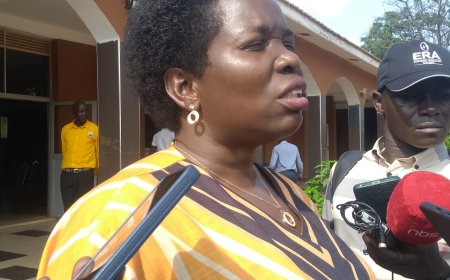
The Opposition leader has also questioned what he describes as the apparent silence of constitutional bodies established to protect citizens’ rights, including the Uganda Human Rights Commission (UHRC). However, Pauline Nansamba Mutumba, the Commission’s Director for Complaints, Investigations and Legal Services, rejected suggestions of inactivity, stating that the UHRC continues to engage government institutions at the highest levels to seek redress for victims .
Ssenyonyi further blamed President Yoweri Museveni, as the appointing authority, for what he described as a failure to rein in the conduct of senior security officials . He specifically accused Gen. Muhoozi of engaging in partisan political activity while serving as a military officer, stating, “You cannot settle political scores using the office you hold. If you want to engage in politics, resign from the army, form a political party and compete with the rest of us on equal terms” .
A Nation at a Crossroads
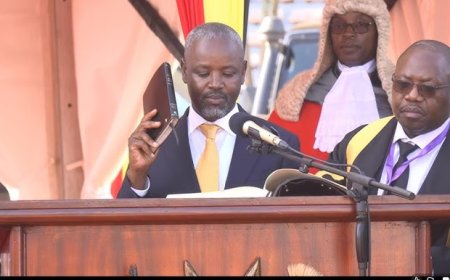
As of press time, Parliament had not publicly responded to Ssenyonyi’s request. The decision now rests with Speaker Oboth-Oboth and Deputy Speaker Thomas Tayebwa, who must weigh the request against the procedural and political implications of recalling Parliament during recess .
The request comes amid a broader context of legislative measures that have raised concerns about civic space. Human Rights Watch has recently criticized the Protection of Sovereignty Bill, 2026, currently before Parliament, for potentially stifling free expression and assembly . The bill, which observers have compared to repressive legislation in Russia, would criminalize vaguely defined activities that promote the “interests of a foreigner against the interests of Uganda” .
Ssenyonyi’s demand for an extraordinary sitting represents a critical juncture for Uganda’s legislature: it must now decide whether to assert its constitutional oversight role or remain silent as allegations of abuse mount. Whether Parliament will heed the call and assert its authority, or allow the pattern of alleged violations to go unchecked, remains to be seen.
LCC TV NEWS
What's Your Reaction?