

Uganda Media Crackdown: Gen. Kainerugaba Meets NMG Owners as Daily Monitor, NTV Remain Under Military Siege
As military forces besiege Uganda's top media house, Gen. Muhoozi Kainerugaba enters high-stakes negotiations with NMG owners over the fate of Daily Monitor and NTV.


LCC TV NEWS
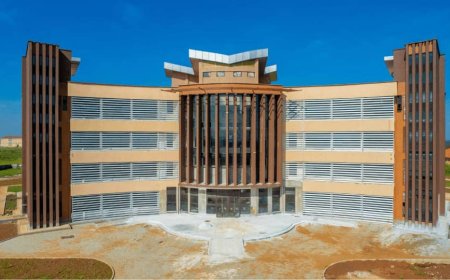
KAMPALA, Uganda – In a dramatic escalation of tensions between the state and the independent press, Uganda finds itself at a crossroads as military personnel maintain a strict siege on the country’s most influential media house. The closure of Nation Media Group (NMG) outlets—including the Daily Monitor newspaper and NTV Uganda—has triggered a crisis that now hangs in the balance of high-level negotiations.
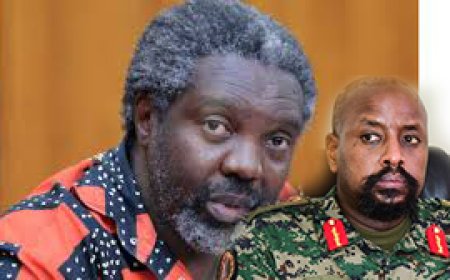
The man at the center of this storm, Chief of Defence Forces Gen. Muhoozi Kainerugaba, has confirmed that he is in talks to potentially reopen the shuttered outlets, yet the heavy military presence on the ground tells a story of a nation grappling with a fundamental challenge to its democratic fabric .
The Shutdown and the Security Justification
The crisis began in the early hours of Sunday, June 28, when armed military personnel raided NMG’s headquarters in Namuwongo and its broadcasting centers at the Kampala Serena Hotel. Staff were denied access, electricity was disconnected, and major broadcasters including NTV, Spark TV, KFM, and Dembe FM were forced off the air .
Gen. Kainerugaba, the son of President Yoweri Museveni, announced the closure on social media with a stark declaration: “I have the power in Uganda to shut down ANY media house I want to. This power was given to me by my great father” . He further asserted that the outlets would "not re-open without my permission" and that "from now on ALL media in Uganda will follow the rules!" .
The government has since provided an official justification. ICT and National Guidance Minister Justine Kasule Lumumba stated that the operation was triggered by a "security-led inquiry" instituted by President Museveni himself. She explained that the investigation involves the Uganda People’s Defence Forces (UPDF), the Criminal Investigations Directorate, and other security agencies . This marks the first formal explanation for a move that sent shockwaves through the region and drew condemnation from international observers.
Negotiations Under the Shadow of Force
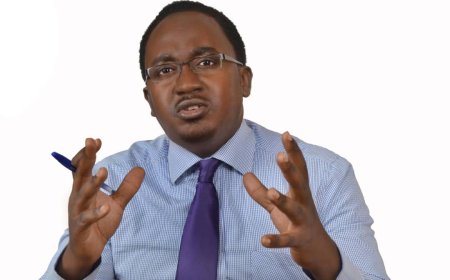
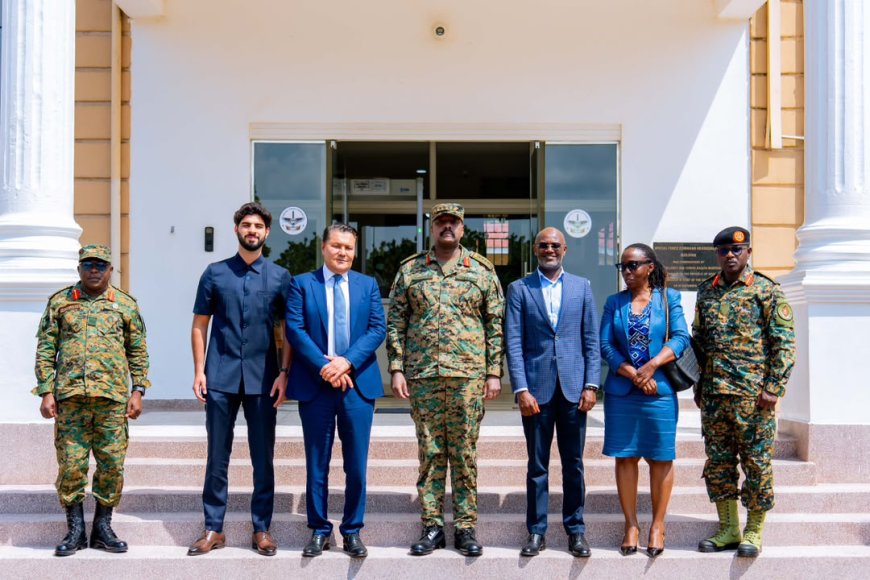
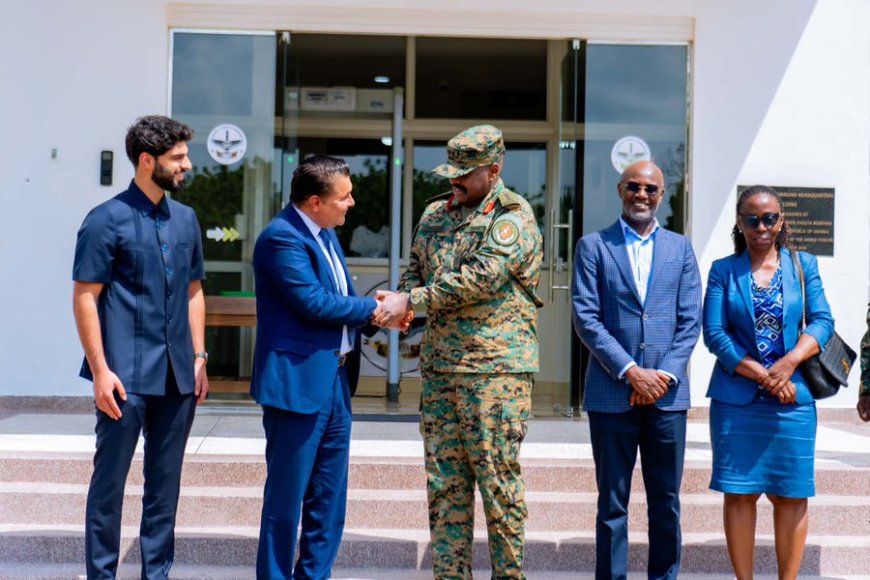
Despite the hardline rhetoric, a pathway to resolution appears to be emerging. Veteran journalist and leader of the Patriotic League of Uganda (PLU), Andrew Mwenda, disclosed that he held discussions with Gen. Kainerugaba and reached an agreement in principle to reopen the outlets .
Gen. Kainerugaba confirmed these talks, adding an unexpected layer of complexity: discussions regarding the fate of the Daily Monitor and NTV are being held with Uganda’s "allies in the UK and Europe." The results of these international consultations, he added, will be presented to President Museveni for final approval . As of Tuesday, negotiations continue, but the barricades remain in place, leaving staff locked out and operations crippled .
A History of Tension
The current siege is not an isolated incident but the latest chapter in a long-running feud between the government and the independent press. The Daily Monitor has been a persistent critic of the administration. President Museveni has previously referred to the outlet as an "enemy and evil newspaper" . This history includes a 2013 police raid on the newspaper over the publication of a letter about the "Muhoozi Project," a rumored plan for the President’s succession, and a 2007 shutdown of NTV by the government for allegedly being "too negative" .
The Reaction and the Stakes
The crackdown has drawn sharp international and domestic criticism. Amnesty International condemned the move, accusing Gen. Kainerugaba of an "unchecked and unjust campaign of harassment and intimidation of independent media" . In the United States, Senate Foreign Relations Committee Chair Jim Risch called on Washington to review its security relationship with Uganda, stating that the attacks on free speech make the general and the military "unfit partners" .
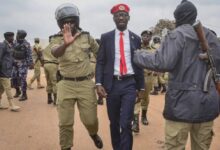
For Ugandans, the siege on NMG represents a major test of the rule of law and press freedom. The presence of "armed, masked military personnel" enforcing a blockade of a media house is a visual reminder of the fragility of constitutional rights in the nation . As the international community watches, the outcome of the negotiations between the military, the political elite, and the media will likely define the state of Ugandan democracy for years to come.
LCC TV NEWS
What's Your Reaction?