






















BREAKING: Uganda Unveils Shs84.39 Trillion Record Budget for FY2026/27, Lifts PAYE Threshold to Shs335,000
The Ugandan government has presented an Shs84.39 trillion budget for FY2026/27, up from Shs81.61 trillion. Key measures include raising the PAYE threshold to Shs335,000, doubling the VAT registration limit to Shs300 million, and introducing tax holidays for luxury tourism developers. The fiscal plan prioritizes Shs22.05 trillion for development while eliminating wasteful expenditure.


LCC TV NEWS
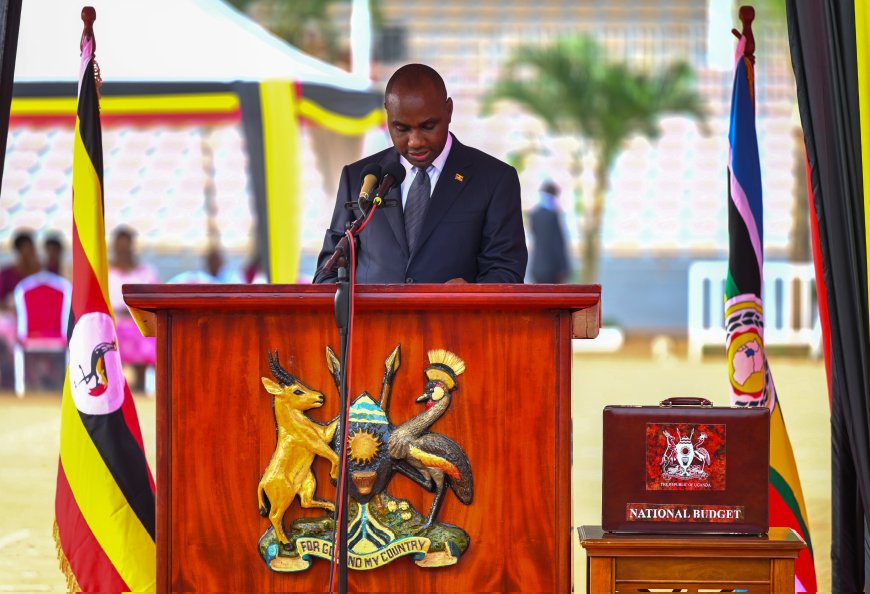
KAMPALA — The Ugandan government has presented a record Shs84.39 trillion national budget for the 2026/27 financial year, prioritizing high-impact infrastructure, wage protection, and a significant overhaul of the personal income tax framework to cushion low-income workers.
The new fiscal plan, which rises from Shs81.61 trillion in FY2025/26, signals a strategic shift towards eliminating wasteful expenditure while introducing novel financing mechanisms, including venture capital and Sukuk (Islamic bonds), to bridge funding gaps without overburdening domestic revenue collection.
Revenue and Borrowing Projections
According to the budget framework released Wednesday, domestic revenue is projected at Shs45.96 trillion, of which Shs40.16 trillion will come from tax collections. To cover the shortfall, the Treasury will lean on a mix of domestic and external borrowing, Public-Private Partnerships (PPPs), venture capital, Sukuk financing, and other innovative instruments.
“The days of reliance on traditional debt are behind us,” a senior finance ministry official said on condition of anonymity ahead of the formal reading. “We are diversifying our financing portfolio to protect the shilling and crowd in private capital for public goods.”
Spending Priorities: Wages and Development
The budget allocates Shs22.05 trillion to development expenditure—targeting flagship projects under the Accelerated Territorial Market System (ATMS) and related enablers. Meanwhile, Shs9.71 trillion has been set aside for public sector wages and salaries, a move aimed at sustaining morale among teachers, healthcare workers, and civil servants amid persistent inflationary pressures.
“The government will strengthen expenditure efficiency by prioritizing high-impact investments under the ATMS and their enablers while eliminating wasteful expenditure,” the budget summary reads, hinting at possible audits of non-performing programs.
Major Tax Reforms for FY2026/27
In a bid to boost disposable income and ease compliance burdens, the Uganda Revenue Authority (URA) will implement several landmark changes:
-
PAYE Threshold Hike: The Pay-As-You-Earn (PAYE) threshold jumps from Shs235,000 to Shs335,000 per month. This means low-income earners will see a direct increase in take-home pay, pulling thousands out of the tax net entirely.
-
VAT Registration Relief: The VAT registration threshold doubles from Shs150 million to Shs300 million in annual turnover. Small business owners, long complaining about compliance costs, will now be exempt from mandatory registration unless they cross the new ceiling.
-
Tourism Incentives: A tax holiday has been introduced for developers of ultra-luxury tourism facilities, a move designed to attract high-end foreign investment and compete with regional safari destinations.
-
Energy Sector Stability: The income tax exemption for Bujagali Energy has been extended, a decision aimed at keeping electricity tariffs affordable for manufacturers and households.
-
Amnesty for Compliance: Parliament approved tax relief measures designed to encourage voluntary compliance, including provisions for taxpayers to clear outstanding obligations without penalty.
Market and Civil Service Reactions
Early reactions from the business community were mixed but largely positive. The Kampala City Traders Association (KACITA) welcomed the VAT threshold increase as “a lifeline for struggling SMEs.” However, some economists warned that the combination of higher PAYE thresholds and new tax holidays could create a short-term revenue gap.
“The Shs84.39 trillion figure is ambitious, and the government is betting heavily on non-traditional financing to avoid a fiscal cliff,” said Dr. Emily Nabukenya, an independent economist based in Kampala. “The real test will be whether expenditure efficiency is genuinely enforced—or remains a slogan.”
What's Your Reaction?